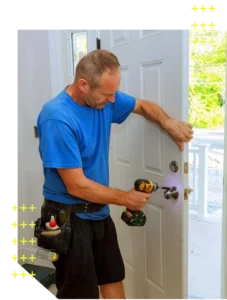
A jammed lock rarely means you need a whole new one. Most locks that stick, grind, or refuse to turn can be fixed at a fraction of the cost of replacement, and a skilled technician knows the difference at a glance. That single fact saves Bay Area homeowners and business owners a lot of money every year, yet many people replace hardware that only needed a repair.
The short answer is that a locksmith can repair almost every lock you will find on a door, a car, or a cabinet. Whether the problem is a worn cylinder, a loose handle, or a dead keypad, professional lock repair in the Bay Area brings the hardware back to working order without the full expense of new installation. Below we walk through the main lock families, grouped by where you find them, so you know what can be saved.
Deadbolts: The Front-Line Locks on Most Doors
The deadbolt is the workhorse of door security across homes and businesses in the East Bay. It throws a solid metal bolt into the door frame, which makes it far harder to force than a spring latch. Deadbolts function by extending a solid metal bolt into the door frame, making it difficult for intruders to pry or kick open the door.
Because they get used many times a day, deadbolts wear down in predictable ways. A key that turns with resistance, a bolt that will not slide fully, or a thumb-turn that spins loose are all common calls. Most of these come down to a few fixable causes:
- A worn or misaligned bolt that no longer meets the strike plate
- A cylinder clogged with dirt that grips the key
- A loose set screw that leaves the thumb-turn wobbly
- A bent bolt from a door that has settled over time
A locksmith can service the cylinder, realign the bolt, or swap the worn internal parts without replacing the whole unit. When the key itself is the issue, a simple lock rekey resets the pins so old keys stop working, which costs far less than new hardware.
Knob and Lever Locks Inside Homes and Offices
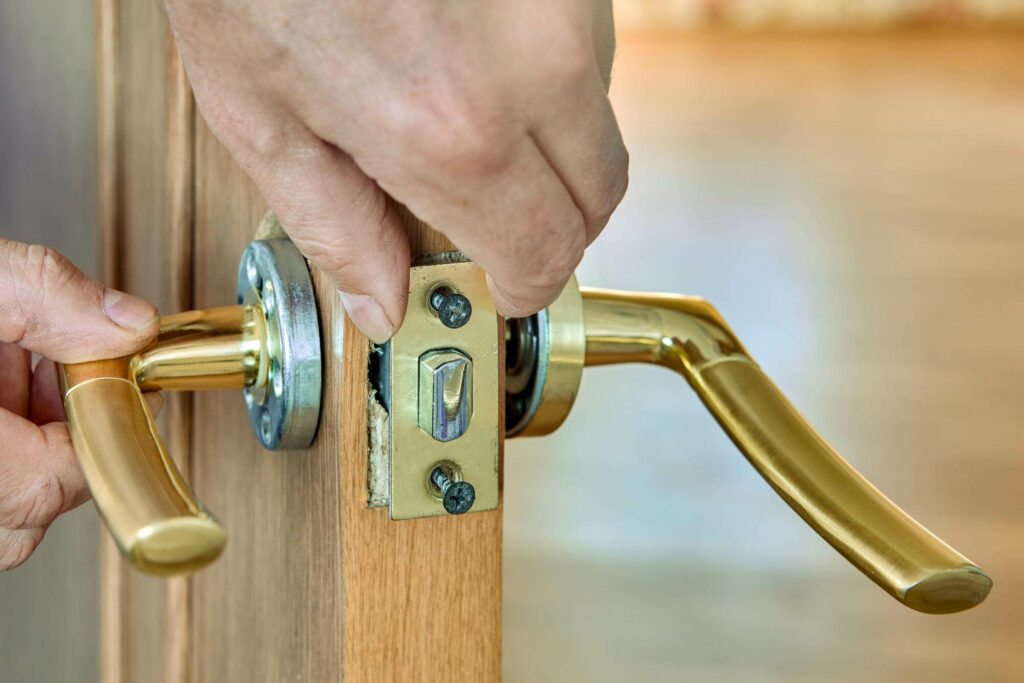
Knob locks and lever handles are the locks you touch most, on bedroom doors, back offices, and interior rooms. The locking mechanism sits inside the knob or handle, which makes them easy to service but weaker as a standalone barrier. Because knob locks are relatively easy to install and repair, locksmiths can quickly replace broken knobs or rekey the lock if necessary.
The usual faults are a knob that turns without catching, a latch that sticks, or a handle that has gone loose from daily use. A technician tightens the spindle, frees the spring latch, or replaces the internal cam, and the handle works again. These are quick fixes, and they matter for offices where every interior door sees heavy traffic through the day.
Mortise Locks on Older and Commercial Doors
Mortise locks sit in a pocket cut into the edge of the door, and they combine the latch and bolt in one heavy case. You find them on older Bay Area buildings and most commercial entries because the hardware is simply sturdier. A mortise lock is a heavy-duty lock body that sits inside a pocket cut into the door’s edge, typically combining the latch and deadbolt in one solid case.
Repair here calls for more skill than a standard cylindrical lock. The parts are often non-standard, and a matching replacement means sizing to the exact pocket the old lock left. Sizing a replacement means matching the exact pocket or backplate the old lock left behind, not a big-box swap. Common mortise problems include a sticky bolt from grime, a latch that no longer lines up with the strike plate after the door settles, and worn internal springs.
Why Mortise Locks Usually Need a Professional
Many mortise issues look simple but hide broken internal parts inside the case. If you find broken internal parts, if the lock is severely corroded, or if the lock still does not work, an expert can provide a solution without causing further damage. A trained technician can rebuild the lock body, replace the cylinder, or fit a correct match, which keeps the character of an older door intact while restoring full security.
Commercial Locks Built for Heavy Daily Use
Business doors carry a different class of hardware, and this is where repair skill matters most. Commercial properties run higher traffic and stricter safety rules, so the locks are tougher and the systems more layered. Commercial locking mechanisms include master key systems for multiple users, access control systems, panic hardware, and specialized commercial-grade locks. A dependable commercial locksmith service keeps all of these running so a business does not lose hours to a stuck door.
The main types found on business premises include:
- Panic bars and exit devices on emergency doors, which the building code requires. These take constant pushing and wear out, so they need regular adjustment, lubrication, and part replacement to stay code-compliant.
- Master key systems that let one key open many doors. When a cylinder in the system fails, a locksmith repairs or rekeys it without breaking the whole hierarchy.
- Electronic and keypad locks on offices, server rooms, and storage. These fail from dead batteries, worn keypads, or programming faults.
- Cabinet, desk, and mailbox locks in multi-unit and office settings, which get lost keys and worn cylinders often.
Panic hardware in particular is a safety matter, not a convenience one. Exit devices and panic bars wear over time and need regular inspection, adjustment, and lubrication, with replacements for normal deterioration or damage. A technician who services these keeps both your security and your fire-code standing in good shape.
High-Security Locks and Restricted Key Systems
Some doors call for locks built to resist picking, drilling, and unauthorized key copying. Brands like Mul-T-Lock and Medeco make cylinders that guard against these attacks, and they show up on high-value homes and secure business areas across the East Bay. These locks still need service, and repairing them takes a technician who knows the brand.
When a high-security cylinder grinds or a restricted key wears down, the fix is not a job for generic parts. A qualified locksmith sources the correct components and services the mechanism so the pick and drill resistance stays intact. Keeping this hardware in good repair protects the very security you paid a premium for, which is why matching the technician to the lock brand matters.
Car Locks and Ignitions That Refuse to Turn
Lock repair does not stop at doors. Vehicle locks and ignitions are a specialized branch, and they fail at the worst times. A key that will not turn in the door, a broken key snapped inside the lock, or an ignition that grips are all repairable by an auto locksmith with the right tools. Since repair and replacement of car keys and car locks is a strictly specific process that cannot be handled by just any person, this work needs trained hands.
Common automotive repairs include freeing a jammed door cylinder, extracting a broken key without damaging the lock, and fixing an ignition repair when the key sticks or will not turn. A mobile technician handles most of these on the spot, which spares you a tow to the dealer. When a key breaks off in any lock, home or car, fast broken key extraction removes the piece cleanly so the lock can be saved rather than replaced.
When Repair Beats Replacement, and When It Does Not
A good locksmith gives you an honest read on which way to go. Repair makes sense when the lock body is sound, and only the cylinder, springs, or alignment have gone off. Replacement makes more sense when the hardware is builder-grade, badly corroded, or you want a higher security grade than the old lock offered.
A few clear signs point toward repair as the smarter choice:
- The lock worked well until a single part wore out
- The key sticks or grinds but the lock is otherwise solid
- The handle or thumb-turn is loose rather than broken
- A key snapped inside an otherwise healthy lock
Rekeying is often the quiet middle option. When you move into a new place or lose a key, rekeying kills every old key for a small fraction of replacement cost while keeping your existing hardware. A technician weighs all of this with you before any work starts, so you spend on what the situation calls for and nothing more.
Get Your Lock Fixed Before a Small Fault Locks You Out
A lock that sticks today becomes a lock that fails tomorrow, usually at the moment you are rushing out the door or closing up shop for the night. A grinding key, a loose handle, or a bolt that half-catches are early warnings, and each one is cheaper to fix now than to deal with after it strands you outside. Waiting turns a quick service call into an emergency lockout.
Multi Locksmith handles every lock type covered here for homes, offices, and vehicles across Albany, Richmond, Berkeley, Oakland, and the surrounding East Bay, with mobile technicians who arrive fast and fix the problem on site. Reach out through our contact page and get your lock back to working order before a small fault leaves you locked out.