A door lock is your first line of defense at home or the office. If your lock isn’t working properly, it could leave you vulnerable to break-ins or lock you out of your own property. So how do you know when a lock needs repair or a full lock replacement in Bay Area? The signs are often subtle at first, but ignoring them can lead to bigger problems down the road. In this blog, we’ll go through the key warning signs that indicate your door lock might need attention.
Difficulty Turning the Key
One of the most obvious signs that your lock is failing is when it becomes hard to turn the key. If you have to jiggle the key, push, or pull to get it to move, it could mean the internal mechanism is worn out. Over time, dirt, rust, or simple wear and tear can affect how smoothly the lock operates.
For locks that are stuck or hard to turn, repairing may involve cleaning the lock or lubricating it with a graphite or silicone-based lubricant. However, if the problem continues even after maintenance, it’s often a signal that replacement is the safer and more effective option.
The Key Won’t Insert or Turn at All
If your key refuses to go into the lock or won’t turn at all, it’s a major warning sign. This could be caused by a broken key inside the lock, misalignment of the lock mechanism, or severe internal wear.
Trying to force the key can make the problem worse and even break the key inside the lock. If this happens, calling a locksmith is usually the first step. Depending on the damage, the locksmith may recommend either lock repair in Bay Area for the existing lock or installing a new one entirely.
Loose Door Handles or Locks
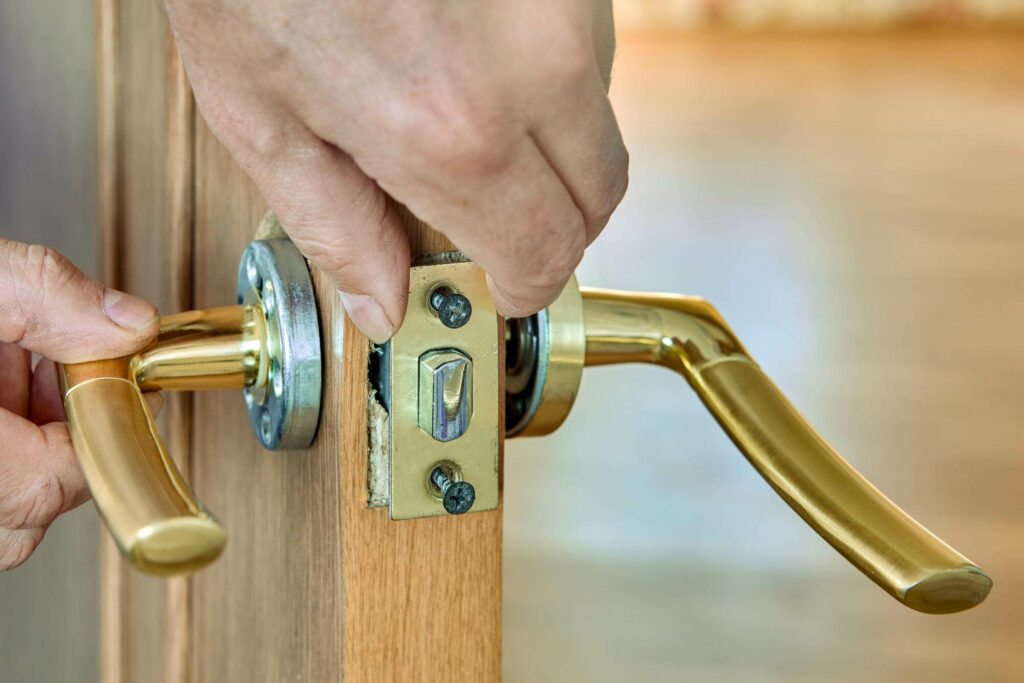
A lock should feel sturdy and secure. If your doorknob, handle, or lock is loose, it may not be holding the door properly. Loose locks can be an invitation to burglars because they’re easier to force open.
Sometimes, tightening the screws may temporarily solve the issue. But if the lock continues to loosen over time, it might indicate that the internal components are worn and that replacement is the safer choice.
Visible Wear and Rust
Locks are made of metal, and like any metal object exposed to the elements, they can rust or corrode. Rust can affect the internal mechanism of the lock, making it stiff or jammed.
Even small amounts of rust on the exterior are a warning sign. Locks with visible corrosion are more likely to fail completely in the near future. In these cases, replacing the lock is usually better than trying to repair it because corrosion can weaken the metal permanently.
Key Stuck in the Lock
Have you ever tried to turn your key and it got stuck inside the lock? This is more than just annoying; it’s a sign of a failing lock. A key that repeatedly gets stuck may mean that the pins inside the lock are misaligned or that the cylinder is damaged.
Trying to force the key out could break it or damage the lock even further. This is a clear indication that either repair or replacement is necessary. A professional locksmith can assess whether the lock can be salvaged or if a new one is needed.
Also read: How Often Should You Replace Your Home Locks?
The Lock is Jammed or Frozen
Sometimes a lock just won’t budge, whether you’re using the key or the handle. A jammed or frozen lock can happen due to dirt, rust, weather conditions, or mechanical failure.
Lubrication can sometimes fix minor jams. But if your lock jams frequently, it’s a sign that the internal mechanism is deteriorating. Locks that jam regularly should be replaced to avoid being locked out or compromising security.
Difficulty Latching or Locking the Door
Even if the key works fine, you might notice that the door isn’t latching or locking properly. This can happen if the lock is misaligned with the door frame or if the latch is worn down.
A door that won’t fully lock is a serious security risk. In many cases, adjusting the strike plate or realigning the lock can help. However, repeated problems suggest that the lock has worn out, and replacement is the safer long-term solution.
The Key Turns, but the Door Doesn’t Lock
Sometimes you may turn the key or thumb-turn the lock, but the door doesn’t actually lock. This can happen if the internal mechanism is damaged or disconnected.
A lock that appears to work but doesn’t engage properly is extremely risky. Even if the door looks closed, it may not be secure. This is usually a sign that the lock needs to be replaced immediately to maintain your safety.
Broken or Damaged Keys
A broken key isn’t just inconvenient, it can damage the lock as well. If a key breaks inside the lock or shows signs of bending, it could indicate that the lock is putting too much resistance on the key.
Locks that break keys are often nearing the end of their life. Even if the lock can be repaired, it’s safer to replace it to prevent further key damage or potential lockouts.
Outdated Locks
Locks have evolved over the years, and older locks may not provide the security features you need today. Antique locks, basic latch locks, or worn-out cylinder locks may not resist modern break-in techniques.
Even if your old lock still works, upgrading to a new, high-quality lock can enhance your safety and offer peace of mind. Smart locks or deadbolts, for example, provide extra security and convenience compared to older models.
Contact Multi Locksmith For Lock Repair or Replacement in Bay Area
If you’re experiencing any of the signs above, don’t wait until it’s too late. Contact Multi Locksmith for professional lock repair or replacement services in the Bay Area. Our skilled team handles all types of locks, residential, commercial, and automotive, with fast, reliable service. Whether it’s a jammed lock, broken key, or outdated security system, we provide solutions to keep your property safe. Call us today for expert assistance and restore the security you deserve.